
Richis Tree Service, LLC
Deep-Root Fertilization in Centennial, CO: Save Your Stressed Trees
After an unusually early spring in 2026 and with emerald ash borer now confirmed inside Centennial city limits, a lot of local trees are running on empty. Deep-root fertilization is one of the simplest ways to help them bounce back because it puts nutrients where a tree actually feeds: down in the root zone, below the clay. Here is what it does, when your trees need it, and how to tell if yours are asking for help.
Why Your Lawn Fertilizer Does Not Feed Your Trees
Lawn fertilizer feeds grass, not trees. It is built for shallow turf roots and stays in the top inch or two of soil, while the feeder roots that keep a mature tree alive sit much deeper and spread well past the edge of the branches.
Centennial’s heavy clay soil makes that gap worse. Clay compacts easily under foot traffic, mowers, and construction. Once it packs down, water and oxygen struggle to move through it, so nutrients sprinkled on top rarely reach the roots that need them. Worse, surface feeding can coax roots upward toward the easy meal, which leaves your tree shallow-rooted and far more fragile during a dry summer or a sudden freeze.
| Surface (Lawn) Fertilizer | Deep-Root Fertilization | |
|---|---|---|
| Where it lands | Top 1 to 2 inches | 8 to 12 inches down |
| Who it feeds | Grass roots | Tree feeder roots |
| Clay compaction | Blocks it | Broken up by injection pressure |
| Effect on roots | Encourages shallow growth | Encourages deep, stable growth |
Because of that difference, professional tree fertilization starts with the soil rather than the leaves. The goal is a healthier growing environment underground, not a quick green-up you can see from the driveway.
What the Early 2026 Spring Did to Local Trees
The early 2026 warm-up tricked trees into budding weeks ahead of schedule, then the cold came back and killed that new growth. Across Colorado, record-high temperatures melted snow early and pushed trees and flowers to bud ahead of schedule. And by April, overnight lows were still dropping below freezing and putting those early blooms at risk.
Here is why that matters to you. Pushing out buds costs a tree a big chunk of its stored energy. When a freeze wipes that growth out, the tree has to push out a second flush of leaves, which takes even more energy and adds more stress. Your tree essentially paid for two springs and only got one.
A drained tree also stops defending itself well. In our area, that opens the door to:
- Ips beetles, which zero in on stressed pines and spruces
- Cytospora canker, a fungal disease that hits aspens, cherries, and spruces
- Fire blight, which spreads fast through ornamental pears, crabapples, and fruit trees
- Emerald ash borer, which is already established nearby
If you want the wider picture on what local trees are up against this year, our guide to tree care trends Centennial homeowners are watching in 2026 covers the rest.
How Deep-Root Fertilization Actually Works
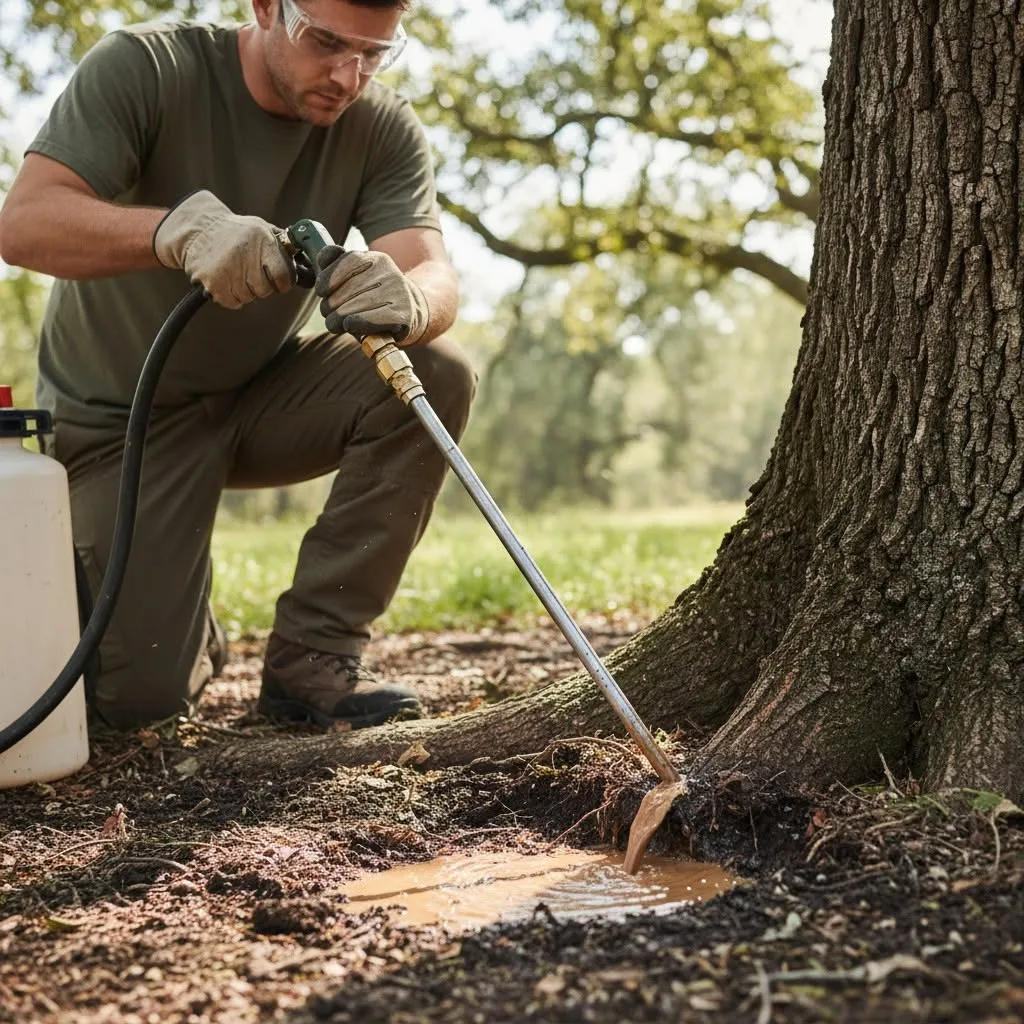
Deep-root fertilization injects a liquid nutrient blend straight into the soil around your tree, usually 8 to 12 inches down and on a grid across the root zone. That depth skips the compacted surface layer entirely.
Here is what happens on a typical visit:
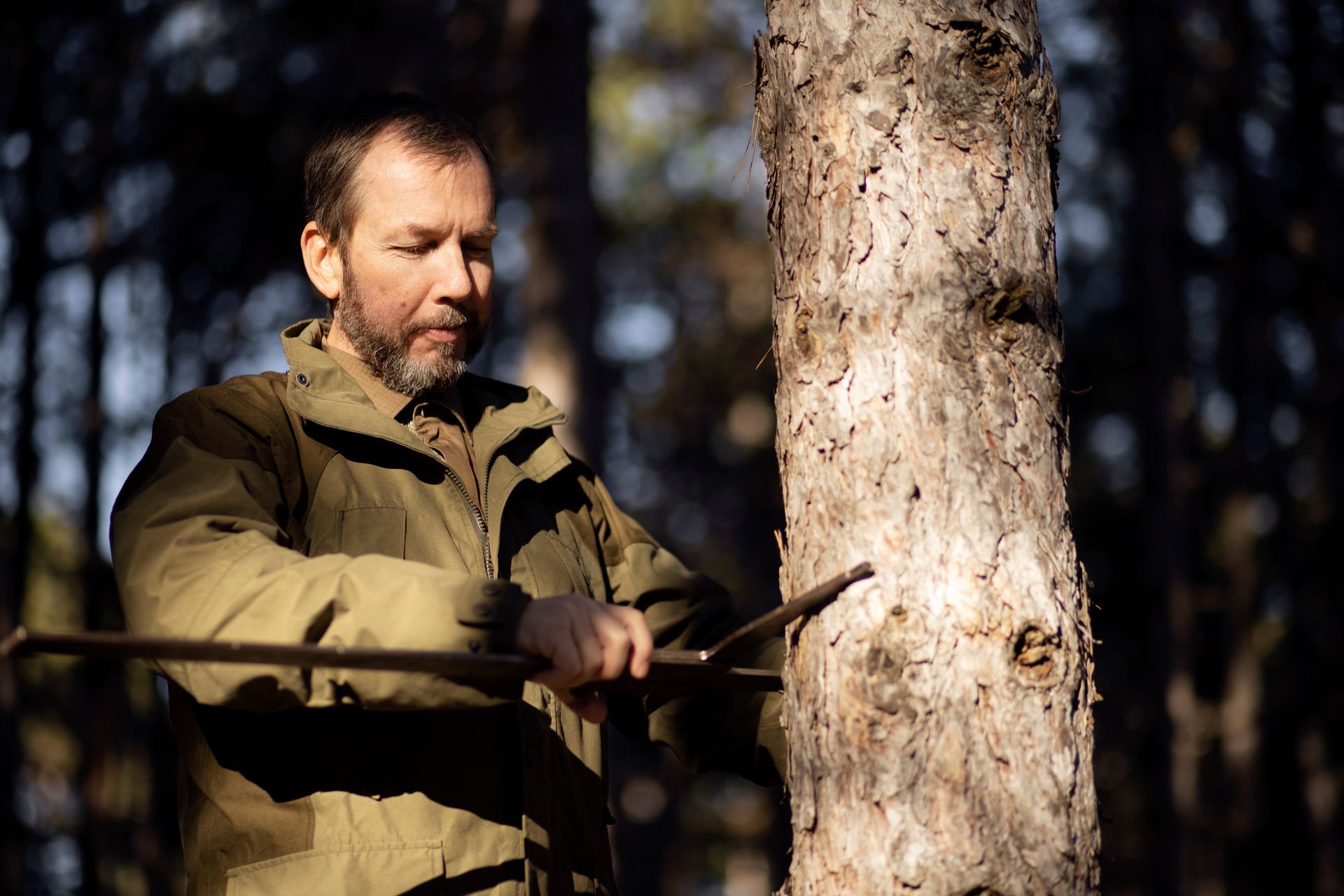
- Root Zone Mapping: Your arborist measures the canopy and marks the feeding area, which usually extends past the drip line.
- Soil Check: Compaction, drainage, and existing nutrient levels help decide the mix.
- Injection: A probe pushes the solution into the soil at set intervals, and the pressure itself loosens compacted clay as it goes.
- Follow-Up Plan: Most trees get one or two treatments a year, timed around their growth cycle.
You get three benefits at once. Water reaches the roots under pressure and opens up tight soil. Organic matter feeds the microbes that make nutrients available. And the nutrients themselves go where the tree can actually use them. Over a season or two, that adds up to deeper roots, better drought tolerance, and a tree that shrugs off pests it would otherwise struggle with.
Emerald Ash Borer: Why Root Health Matters More Right Now
If you have an ash tree in Centennial, the clock is already running. Emerald ash borer has been confirmed in more than 20 Front Range cities, and within Arapahoe County it turned up in Littleton in 2023, Centennial in 2024, and Aurora in 2025. It has since moved south, with a confirmed sighting in Parker as of July 2026.
That is a big deal locally, because ash trees make up an estimated 15% or more of all urban trees in Colorado, and infested trees usually die within 2 to 4 years. The Colorado State Forest Service tracks confirmed locations on its emerald ash borer page, and Arapahoe County posts local updates and treatment guidance.
Be honest with yourself about what fertilization can and cannot do. It will not make your ash tree immune. The larvae tunnel under the bark and cut off the tree’s plumbing quietly, so by the time you notice thinning at the top, the damage is usually well along. What a strong root system does buy you is better tolerance of treatment, faster recovery, and a tree that is worth protecting in the first place.
For ash trees that have already lost more than half their canopy, treatment is usually throwing money at a losing fight. At that point, tree removal is the safer call, since dead ash goes brittle fast and drops limbs without warning. Following up with stump grinding clears the way for a replacement tree and keeps the old stump from turning into a pest hotel.
Signs Your Trees Need Deep-Root Fertilization
Watch for canopy and bark changes because trees show root problems from the top down. Walk your yard and look for:
- A thinner canopy than last year, especially near the top
- Leaves yellowing well before normal fall color
- Dead twigs and branch tips, often called dieback
- Bark that looks sunken, cracked, or off-color
- Very little new growth this season compared to past years
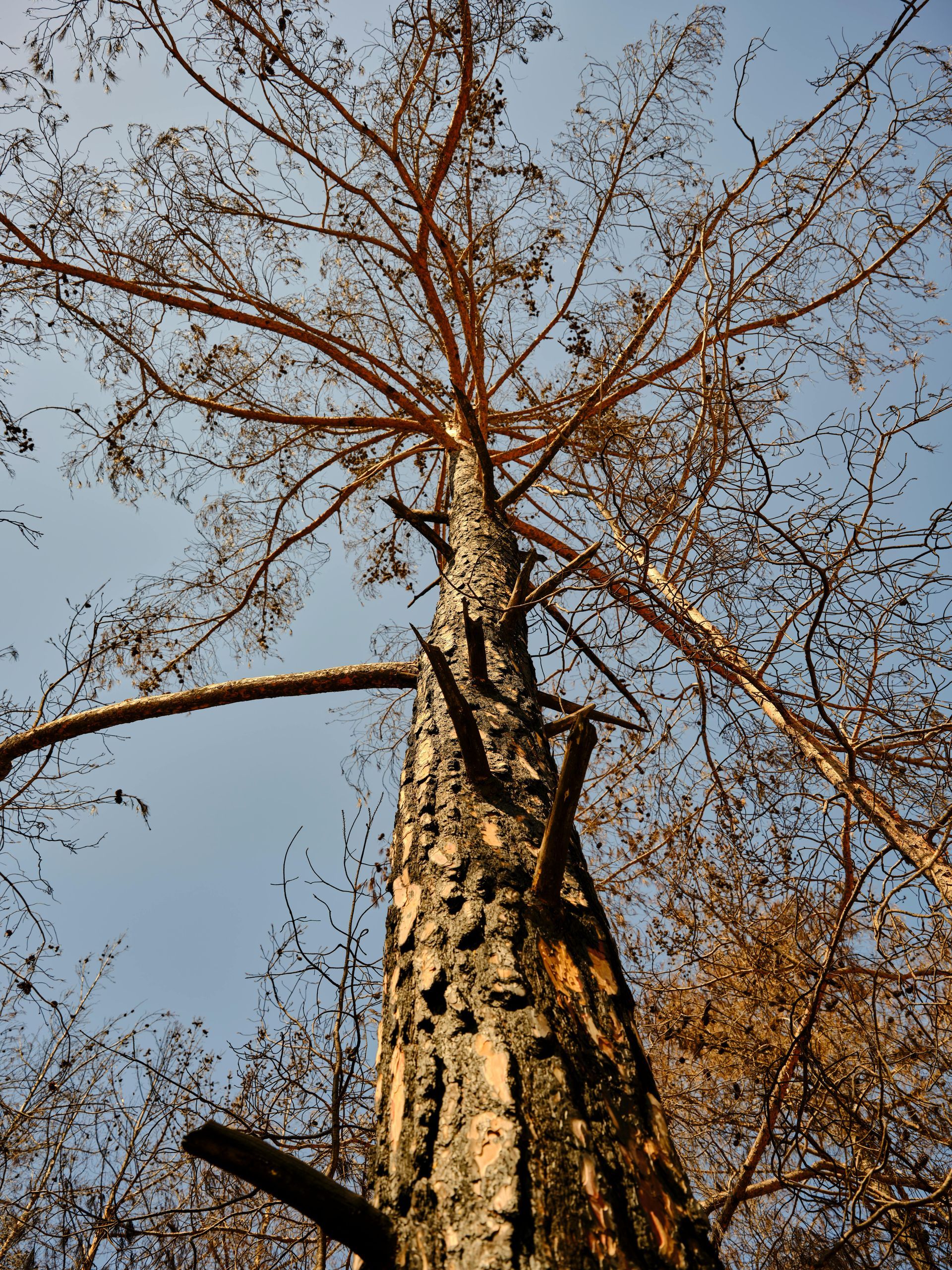
- Sap oozing, sawdust, or D-shaped exit holes on the trunk
Any one of these means the root system is likely struggling. Some of them also point to disease, so it helps to know the difference. Our breakdown of the warning signs of a diseased tree walks through what each symptom usually means.
The Best Time to Fertilize in Centennial
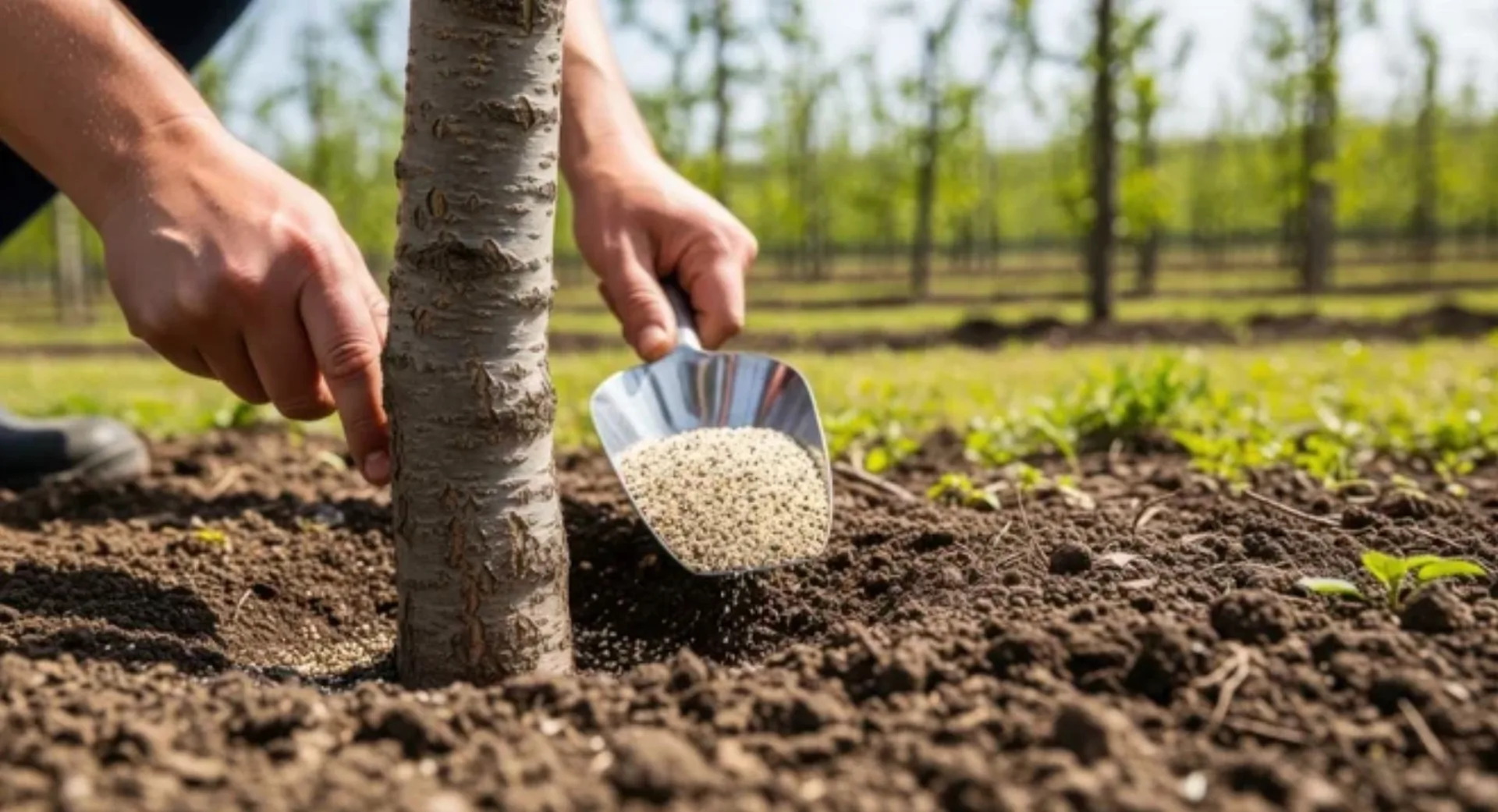
Fall is the strongest window, and you are in it right now. Top growth slows down while roots stay active in still-warm soil, so your tree banks the nutrients instead of burning them on new leaves.
| Season | Is it a good time? | Why |
|---|---|---|
| Early spring | Yes | Supports leaf-out and new growth |
| Summer | Only if stressed | Heat and drought limit uptake |
| Fall | Best | Roots active, top growth slowing |
| Deep winter | No | Frozen ground blocks injection |
FAQs About Deep-Root Fertilization
How often should deep-root fertilization be done?
Most trees do well with one or two treatments a year. Your arborist will look at the tree’s health, your soil, and the species before setting a schedule.
Can it help a tree that is already declining?
Sometimes. Trees in early or moderate decline often respond well. Once a tree has lost more than half its canopy, removal is usually the safer and cheaper path.
Is it safe for my lawn and garden?
Yes. The injection targets the deep root zone, so your grass and surface plants are not disturbed. The small probe holes close up on their own.
Will it stop pests completely?
No treatment guarantees immunity. A well-fed tree does defend itself better against secondary pests and disease, which matters a lot with emerald ash borer active in the area.
Give Your Trees a Fighting Chance This Fall
Richis Tree Service has cared for trees in Centennial, Englewood, Highlands Ranch, and Greenwood Village since 2005. We are ISA certified, licensed, insured, and hold an A+ rating with the Better Business Bureau.
If your trees are showing stress, or you simply want to get ahead of what is coming, call us at (720) 987-5606. We will tell you honestly whether deep-root fertilization is the right move for your yard.
SHARE THIS ARTICLE
Recent Posts