Richis Tree Service, LLC
Tree Pruning vs. Tree Trimming in Centennial, CO: What’s the Difference?
Tree trimming means cutting back overgrown branches to improve shape, clearance, safety, and appearance. Tree pruning focuses more on tree health, structure, and long-term growth by removing dead, damaged, diseased, weak, or poorly placed branches.
In other words, tree pruning and tree trimming are both tree cutting services, but trimming controls size and appearance while pruning improves health, structure, and safety.
For Centennial homeowners, the right choice depends on whether your tree needs a cleaner look, safer clearance, or health-focused care.
Key Takeaways: Pruning vs. Trimming
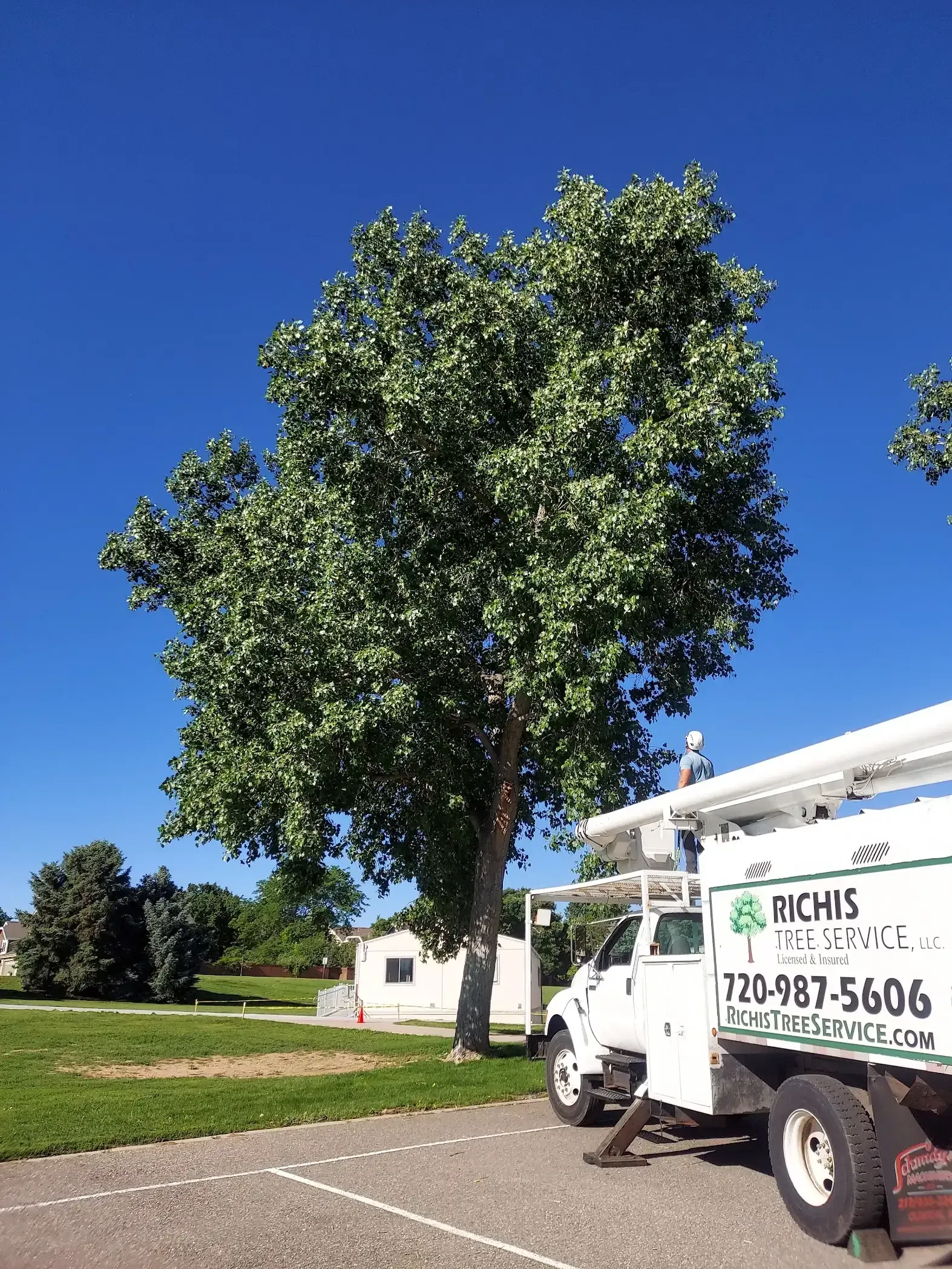
- Tree Trimming: Best for overgrowth, shape, clearance, and curb appeal.
- Tree Pruning: Best for dead, damaged, diseased, weak, or poorly placed branches.
- Need Both: Many trees need trimming for clearance and pruning for health.
- Call a Pro: If limbs are large, near the home, storm-damaged, or unsafe.
What Is Tree Trimming?
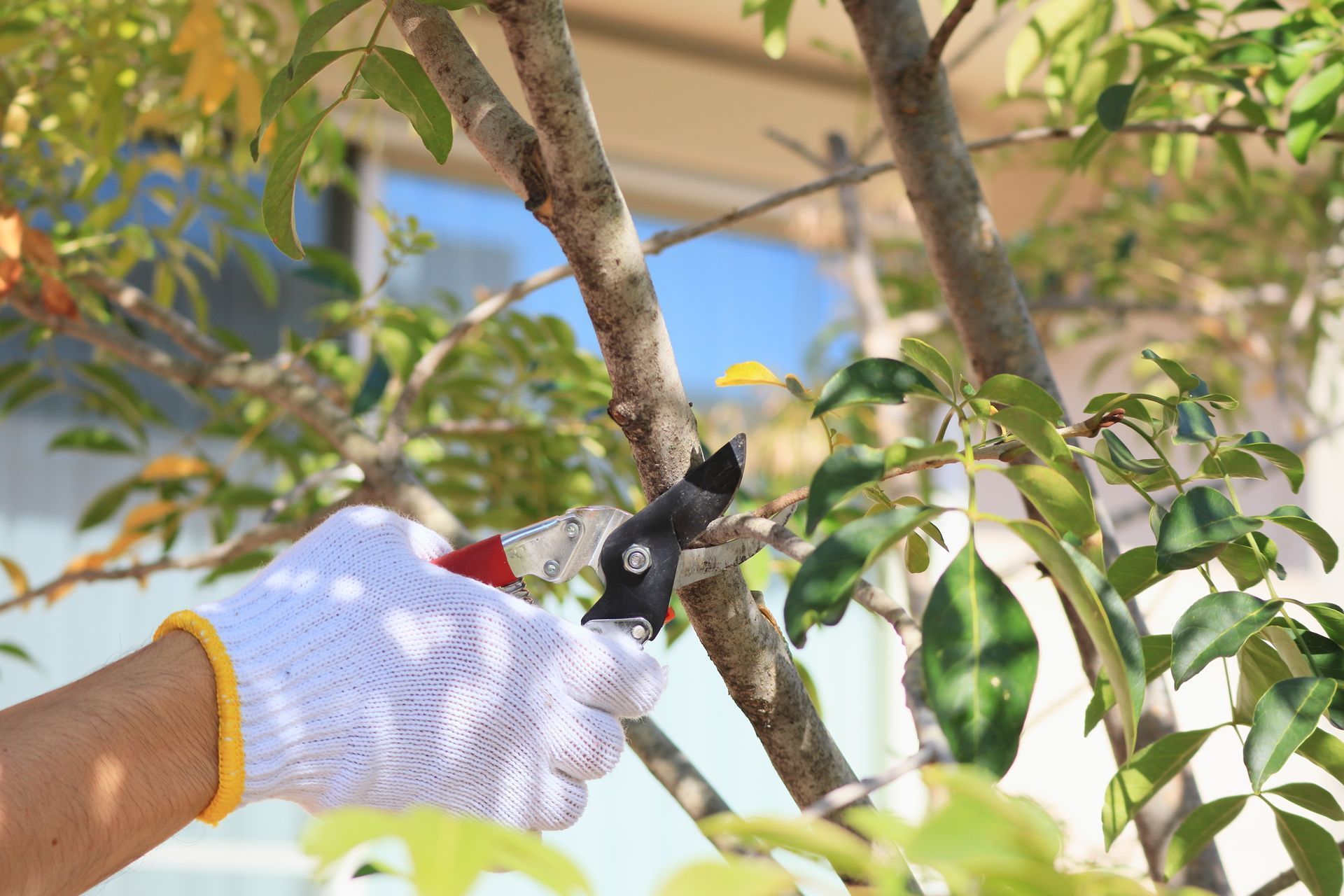
Tree trimming is the process of cutting back branches to keep a tree neat, balanced, and safe around your property. Homeowners often need trimming when branches grow too long, hang too low, or crowd nearby structures.
Common Reasons to Trim a Tree
Trimming helps when branches touch the roof, siding, fence, driveway, patio, or sidewalk. It can also improve sunlight and make an overgrown canopy look cleaner.
For example, if a tree in your Centennial yard has branches brushing against your gutters or blocking the front walkway, trimming may solve the problem. It creates better clearance while keeping the tree’s natural shape.
What Is Tree Pruning?
Tree pruning is the selective removal of branches to improve a tree’s health, structure, and safety. It is more focused than trimming because every cut should serve a health or structural purpose.
Common Reasons to Prune a Tree
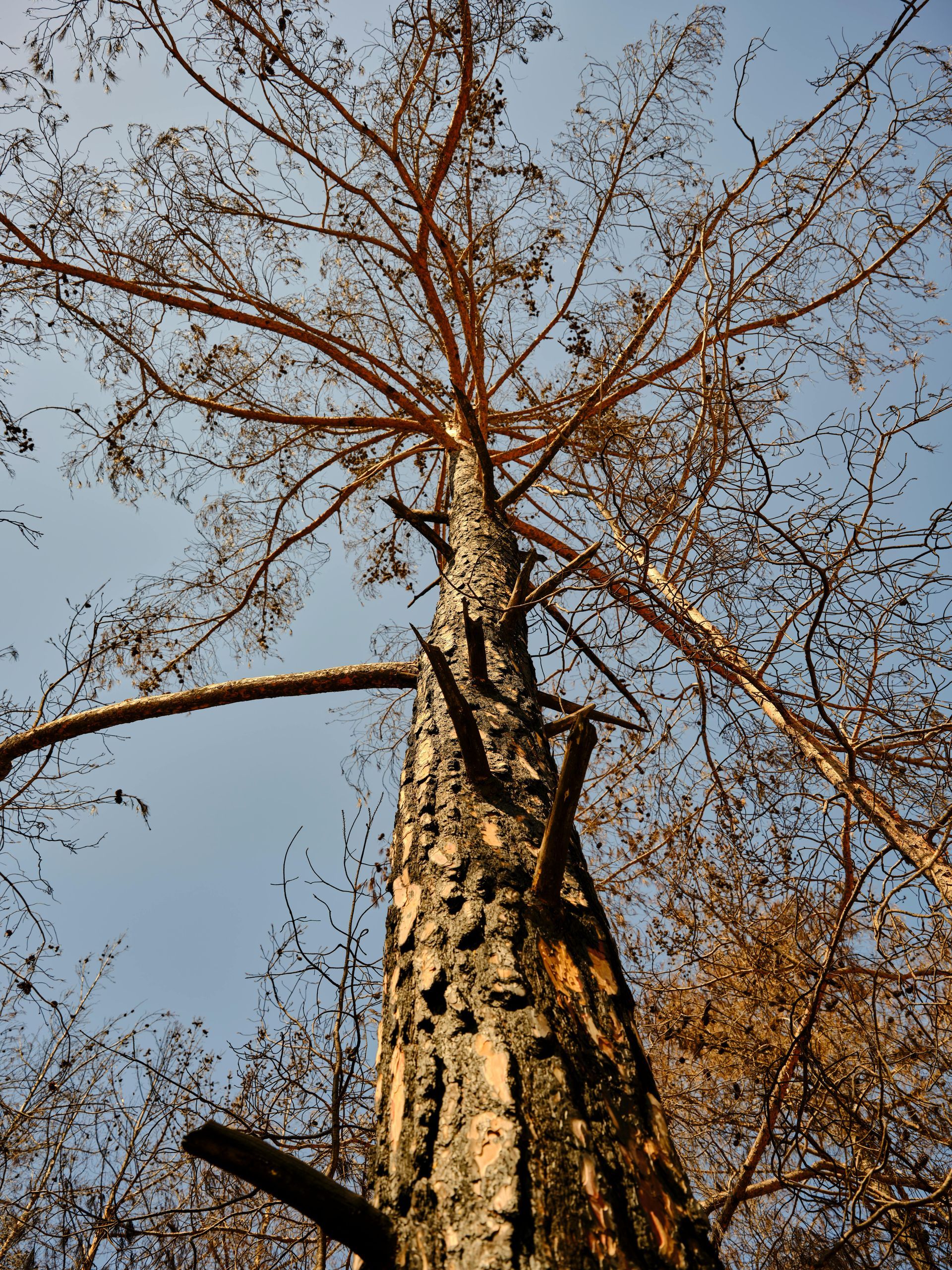
Pruning may remove dead branches, cracked limbs, diseased-looking growth, weak branch connections, crossing branches, or limbs damaged by wind or snow. These cuts support stronger, safer growth.
A mature tree with dead limbs inside the canopy may not look overgrown, but those limbs can break or lead to future problems. In that case, pruning is a better choice than basic trimming.
Tree Trimming vs Tree Pruning: Main Differences
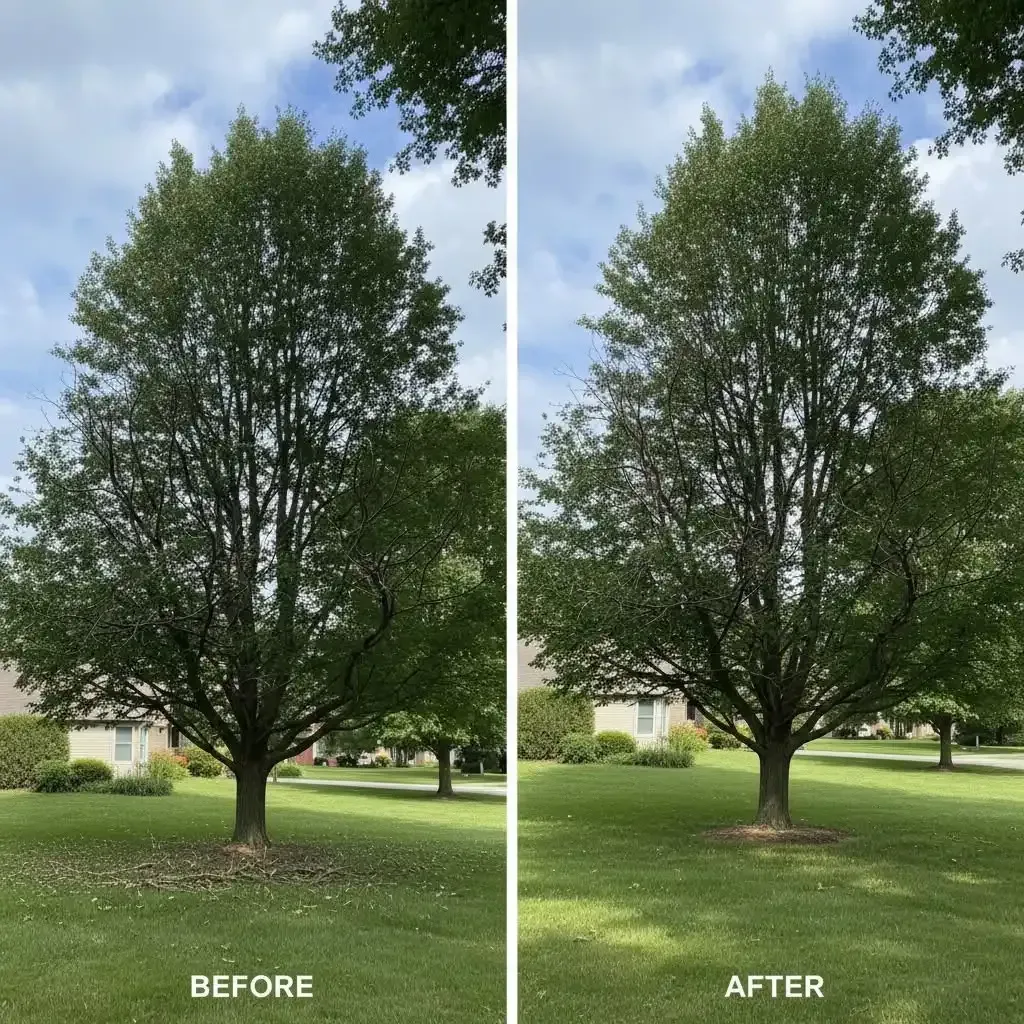
The main difference in trimming vs pruning is the goal. Trimming manages growth and appearance, while pruning protects health, structure, and safety.
| Category | Tree Trimming | Tree Pruning |
|---|---|---|
| Main purpose | Shape, clearance, appearance | Health, structure, safety |
| Common reason | Overgrown or messy tree | Dead, weak, or damaged limbs |
| Focus | Curb appeal and space | Long-term tree health |
| Result | Cleaner shape | Stronger tree |
The easy way to remember it is this: trimming is about how the tree fits your property, while pruning is about how the tree grows and stays healthy. Many trees need both, especially when roofline clearance and weak limb removal are needed.
When Centennial Homeowners May Need Tree Trimming or Pruning
You may need tree trimming when branches create space, safety, or appearance problems around your home. In Centennial, trees often grow near driveways, fences, patios, sidewalks, and rooflines.
Tree Trimming Checklist
Call for trimming if branches touch the home, hang over walkways, block too much sunlight, make mowing difficult, or make the tree look crowded and uneven. A homeowner near Centennial or nearby Englewood may notice branches scraping the roof after a strong growth season.
You may need tree pruning when the tree shows signs of damage, weakness, disease, or poor structure. Pruning helps correct problems before they become bigger safety or health concerns.
Tree Pruning Checklist
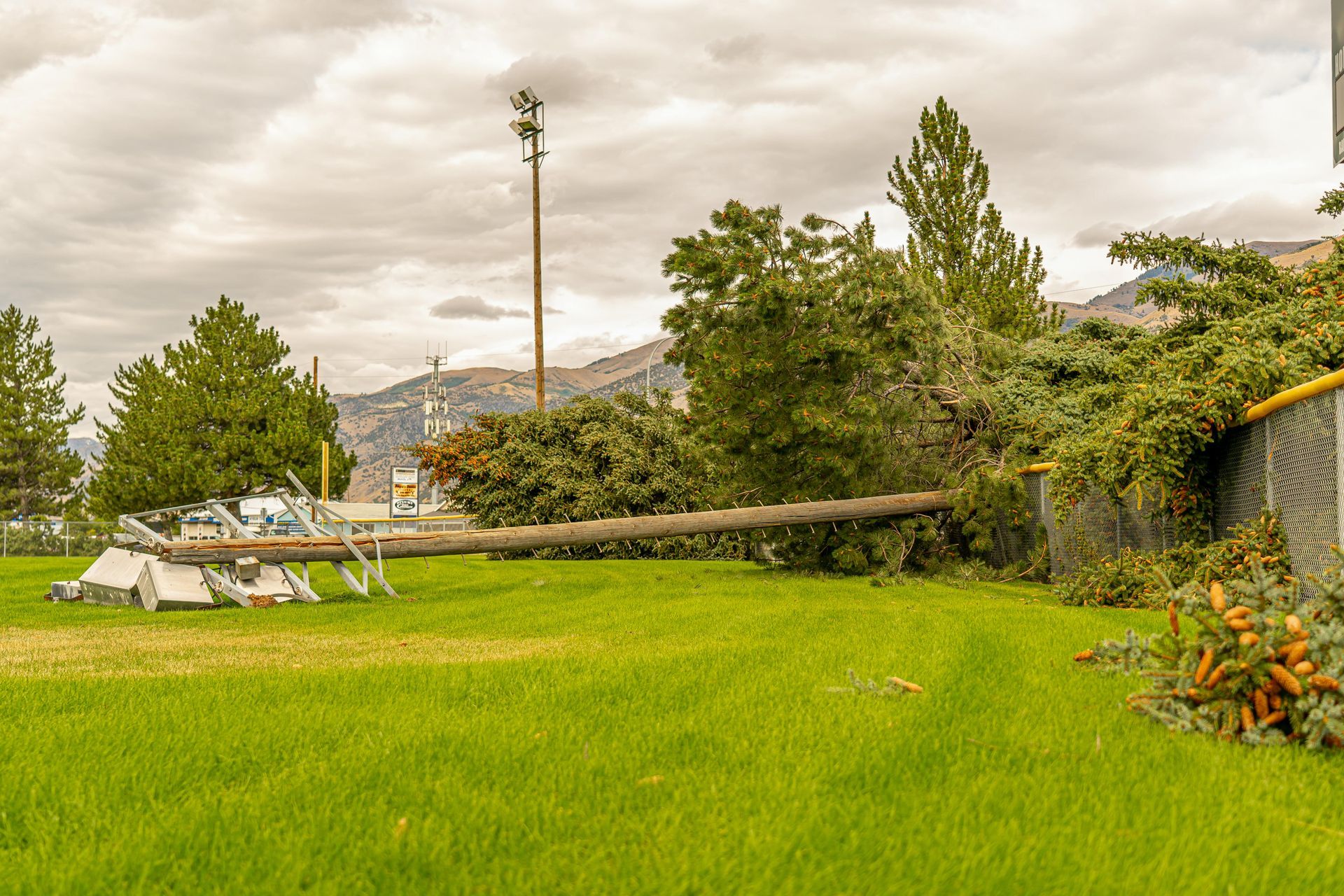
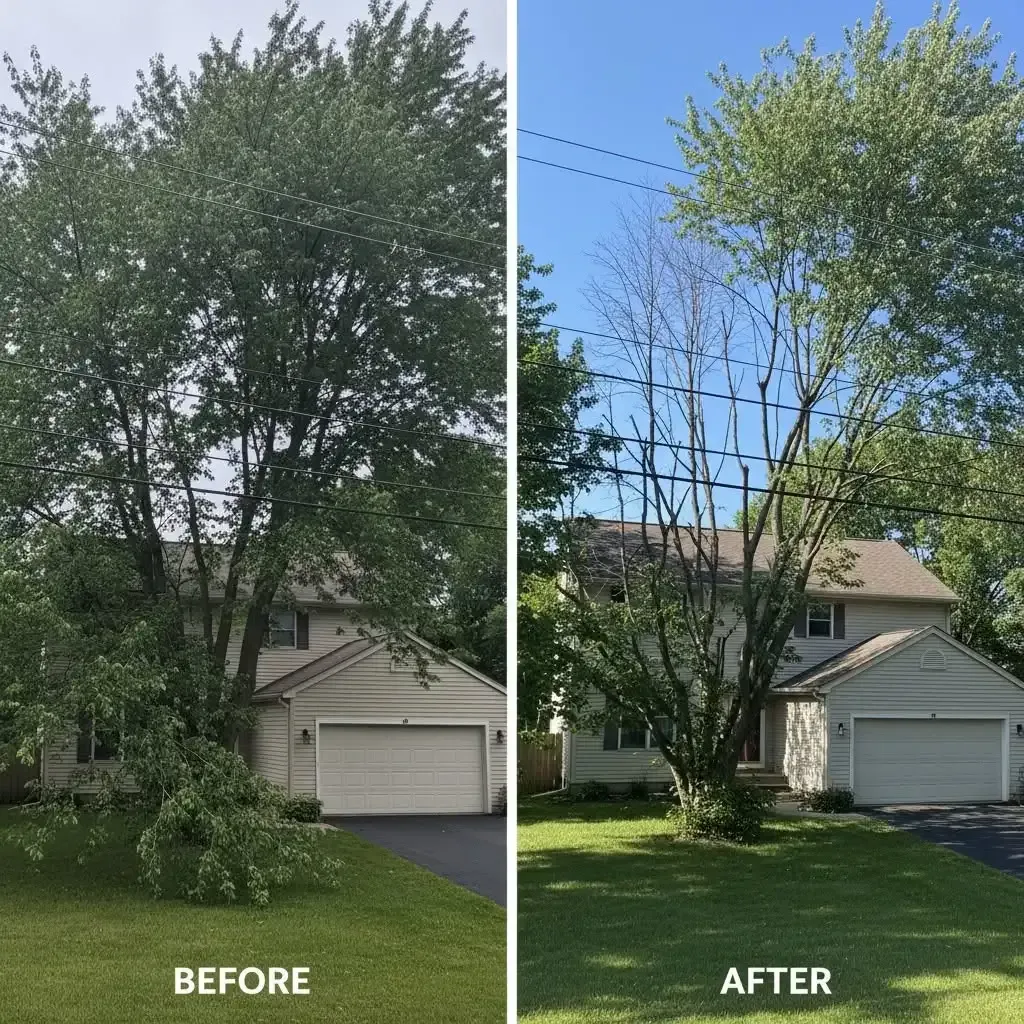
Call for pruning if you see dead branches, cracked limbs, storm damage, rubbing branches, uneven canopy weight, weak branch attachments, or sections that look thin or unhealthy. After a Colorado wind or snow event, pruning can remove broken limbs and help the tree recover.
Sometimes pruning is not enough. If a tree is declining, leaning, or unsafe, tree removal may be better. If the tree needs soil support, fertilization may help. If removal has already happened, stump grinding can clear the remaining stump.
When Is the Best Time to Prune or Trim Trees in Centennial?
Light trimming for clearance can often be handled when branches create a safety or property issue. Health-focused pruning depends on the tree species, condition, and season, so it is best to have a professional inspect the tree before major cuts.
Why Professional Tree Care Matters
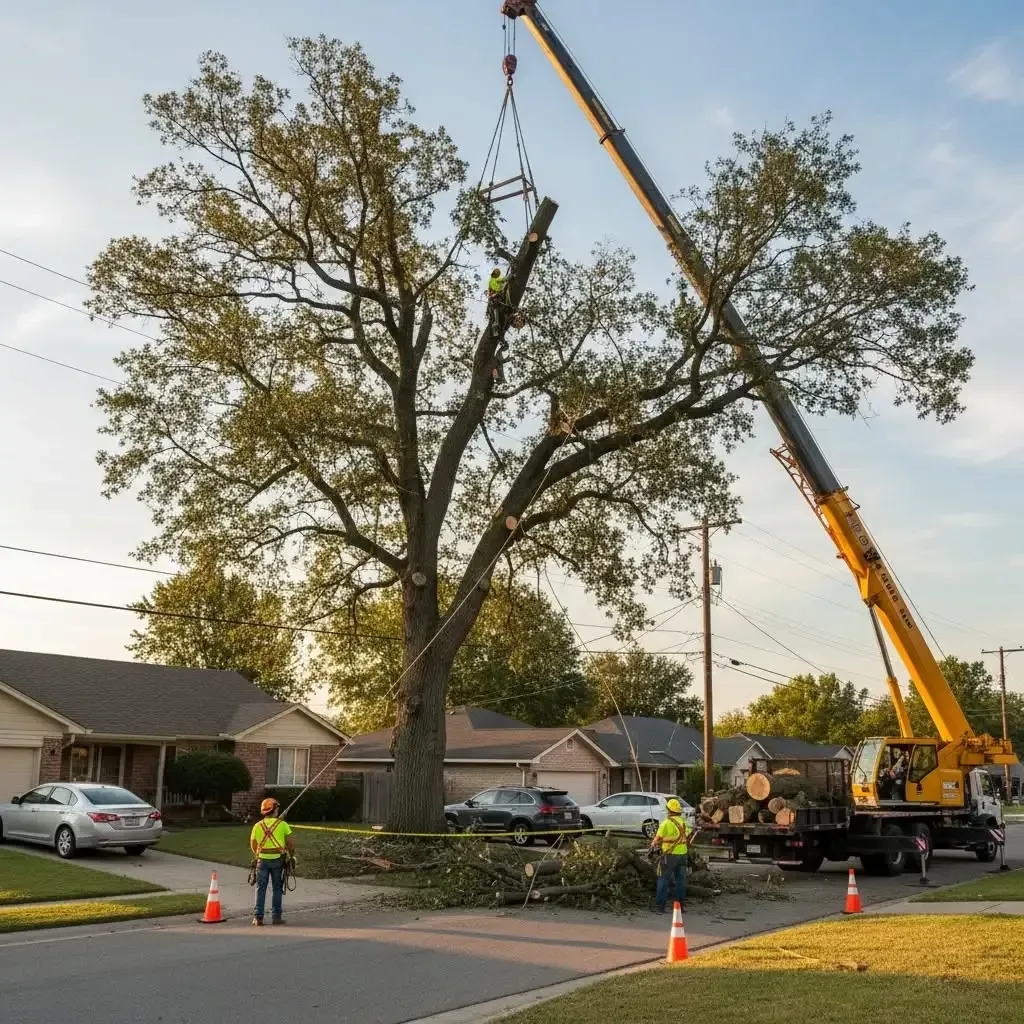
Professional tree care matters because trimming and pruning can affect both safety and tree health. Large branches, storm damage, hidden decay, and nearby structures can make tree work dangerous without the right training and equipment.
What a Professional Crew Checks
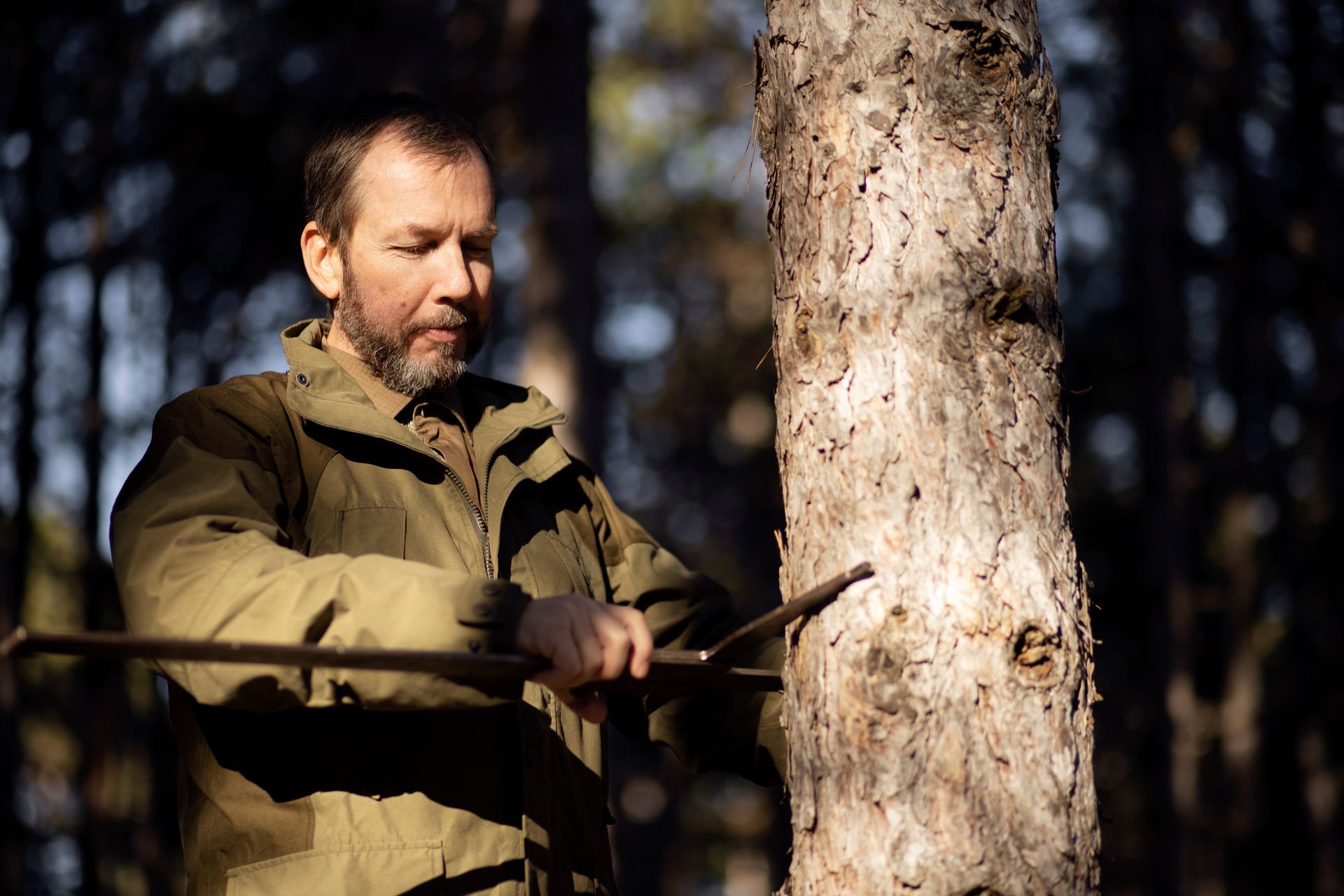
A professional crew can evaluate branch weight, tree structure, dead limbs, property hazards, clearance needs, and whether trimming, pruning, removal, or fertilization makes sense. This helps protect the tree from unnecessary cuts.
Improper cuts can remove too much living growth or leave the tree more vulnerable. A trained team can make cleaner cuts, use the right equipment, and clean up the work area.
Richis Tree Service, LLC serves Centennial and nearby areas such as Englewood, Highlands Ranch, and Greenwood Village. Homeowners can call for help when they are not sure which service they need.
How Trimming and Pruning Fit Into Centennial Tree Maintenance
Tree trimming and tree pruning are both part of a bigger tree maintenance plan. Trimming handles overgrowth and clearance, while pruning supports tree health, structure, and safer growth.
Simple Homeowner Maintenance Checklist
Walk your yard after storms, look for dead or broken branches, check branches near the roof or driveway, watch for rubbing limbs, and notice crowded or uneven canopies. Also look for signs of decline, pests, or poor growth.
Tree maintenance may also include fertilization for weak trees, tree removal for unsafe trees, and stump grinding after removal. The best plan depends on your tree, property, and goals.
Call Richis Tree Service for Tree Services in Centennial, CO
Not sure whether your tree needs trimming, pruning, or removal? Richis Tree Service, LLC can inspect your trees and recommend the right service for your Centennial property.
We provide tree services for homeowners who want safer, healthier, and better-looking trees. Our services include tree trimming, tree removal, stump grinding, and tree fertilization.
Contact Richis Tree Service, LLC at
(720) 987-5606 for professional tree services in Centennial, CO. We can help keep your trees safe, healthy, and looking their best.
FAQs About Tree Pruning and Tree Trimming
What is the main difference between tree pruning and tree trimming?
Tree trimming focuses on appearance, clearance, and controlling overgrowth. Tree pruning focuses on tree health, structure, and safety by removing dead, damaged, diseased, or weak branches.
Is tree pruning better than tree trimming?
One is not always better than the other. A healthy but overgrown tree may need trimming, while a damaged or poorly structured tree may need pruning.
How do I know if my tree needs trimming or pruning?
If branches are too long, low, crowded, or close to your home, trimming may be needed. If branches are dead, cracked, rubbing, diseased, or storm-damaged, pruning is usually the better choice.
How often should Centennial homeowners schedule tree maintenance?
The timing depends on the tree species, age, health, growth rate, and location. Homeowners should inspect trees regularly and call a professional when they notice overgrowth, damage, dead limbs, or safety concerns.
Can Richis Tree Service help me decide what my tree needs?
Yes. Richis Tree Service, LLC can evaluate your tree and recommend trimming, pruning, removal, stump grinding, or fertilization when needed. Call (720) 987-5606 for tree services in Centennial, CO.
SHARE THIS ARTICLE
Recent Posts