Richis Tree Service, LLC
Signs Your Trees Are Diseased — and How Local Experts Can Help
Trees are a big part of what makes a property in Centennial feel complete. They provide shade during hot Colorado summers, add privacy, boost curb appeal, and quietly increase property value year after year. But when trees begin to decline, the signs can be subtle at first. By the time many homeowners notice something is wrong, the problem has already progressed.
Recognizing the early warning signs of diseased trees is essential. Acting quickly can save a tree, protect your property, and prevent costly damage. In this guide, we will walk through how to spot trouble, what causes common tree diseases in Colorado, and how
local arborists Centennial homeowners trust can step in with the right solutions.
City skyline
Early Warning Signs of Diseased Trees You Should Never Ignore
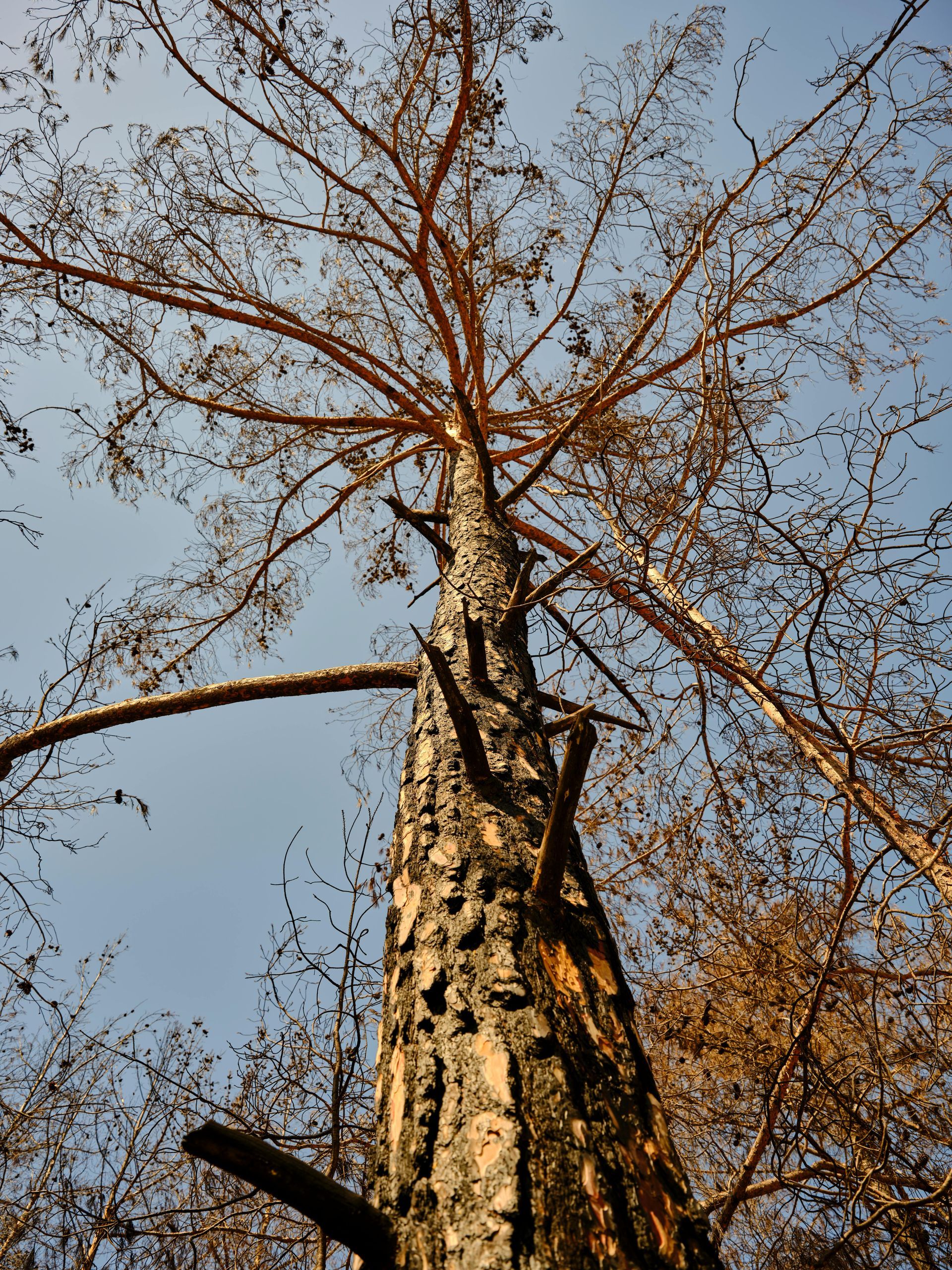
Trees cannot speak, but they are constantly communicating. The trick is knowing how to interpret what you see. A tree that looks slightly off this season may be signaling a deeper issue beneath the bark.
Here are some of the most common signs of diseased trees:
- Discolored or spotted leaves: Leaves that turn yellow, brown, or develop black or white spots outside of normal seasonal change can indicate fungal or bacterial infections.
- Premature leaf drop: If your tree starts shedding leaves well before fall, it may be under stress from disease, pests, or root issues.
- Dead or brittle branches: Branches that snap easily or remain bare while the rest of the tree leafs out can signal internal decay.
- Cracks or peeling bark: Bark protects the tree’s vascular system. When it splits, flakes excessively, or falls away, it can expose the tree to pathogens.
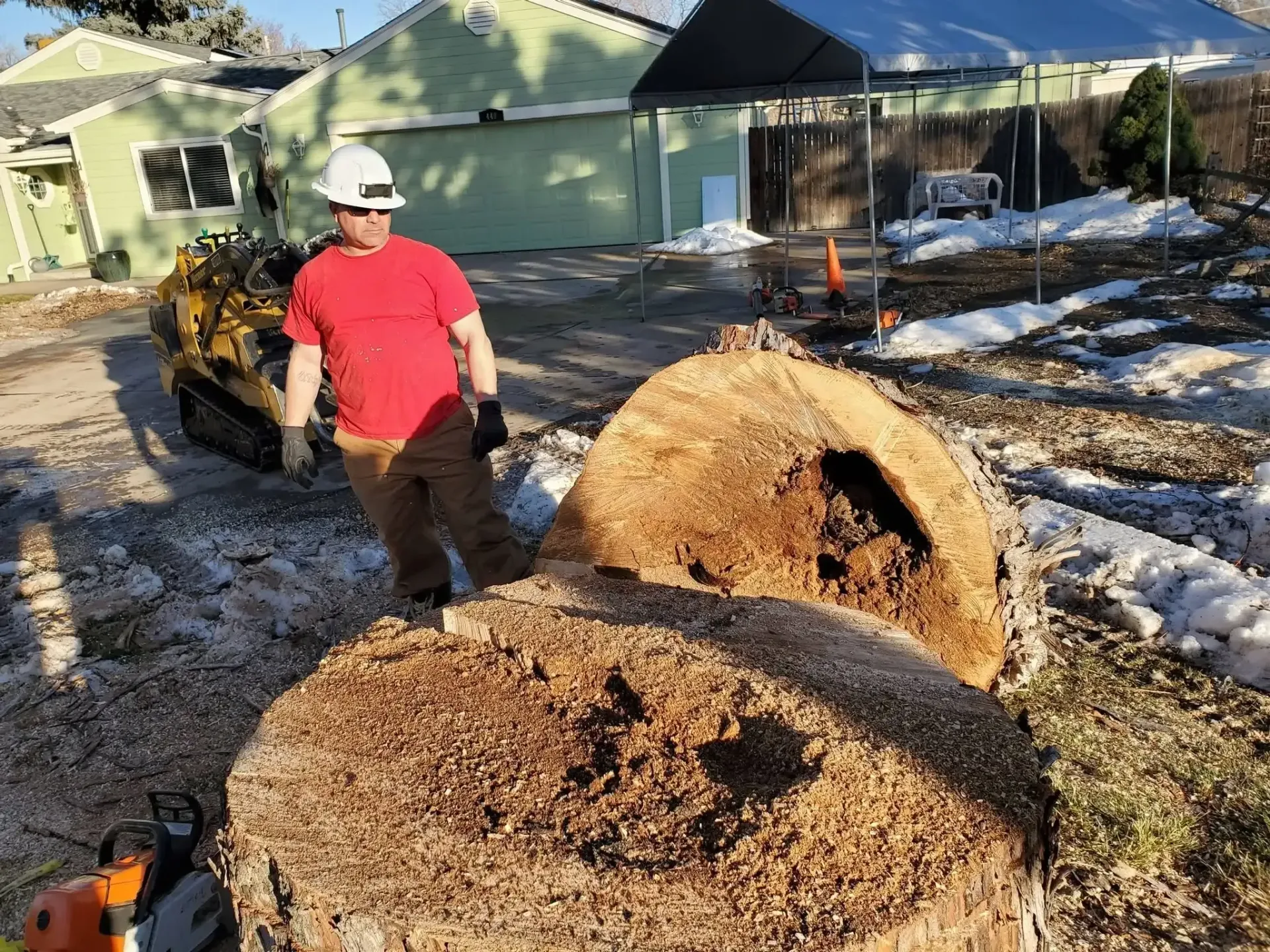
- Unusual growths or fungi: Mushrooms or conks growing at the base of the trunk often point to root rot or internal decay.
- Leaning or sudden instability: A tree that begins leaning without obvious wind damage may have compromised roots.
Many of these symptoms develop gradually. That is why a regular tree health inspection is so important. Catching issues early gives you more options. Sometimes the solution is as simple as targeted pruning or soil improvement. Other times, more extensive intervention may be necessary.
Common Causes of Tree Disease in Centennial
Understanding why diseased trees develop in the first place can help you prevent future problems. Centennial’s unique climate and soil conditions play a significant role in tree health.
Several factors commonly contribute to disease:
1. Fungal Infections
Fungi are one of the most frequent culprits behind tree diseases. They thrive in moist conditions and can spread through airborne spores.
Common fungal issues include:
- Leaf spot diseases
- Powdery mildew
- Root rot
- Canker diseases
Fungal infections often start small but can spread rapidly if weather conditions are favorable. A professional tree health inspection can determine the type of fungus involved and the appropriate treatment plan.
2. Insect Infestations
Insects do not always directly cause disease, but they create entry points for pathogens. Boring insects can weaken internal structures, while sap sucking pests reduce vigor.
Signs of insect related disease include:
- Small holes in bark
- Sawdust like material at the base of the tree
- Wilting despite adequate watering
Left untreated, these issues can escalate quickly.
3. Poor Soil Conditions
Compacted soil, poor drainage, or nutrient deficiencies can stress trees and make them more susceptible to disease. Centennial’s clay heavy soils can restrict root growth and oxygen flow.
Fertilization services tailored to your soil conditions can strengthen trees and improve resistance to disease. Healthy trees are far better equipped to fight off infections.
4. Mechanical Damage
Damage from lawn equipment, construction, or improper pruning opens the door for pathogens. Even small wounds can become entry points for bacteria and fungi.
This is one reason hiring professionals for trimming and maintenance matters. Improper cuts or excessive pruning can unintentionally harm the tree.
By identifying the root cause of disease, local arborists Centennial homeowners trust can create a targeted plan that supports long term health rather than just addressing surface symptoms.
How Local Experts in Centennial Can Restore and Protect Your Trees
When it comes to managing diseased trees, local knowledge makes a significant difference. Local arborists Centennial property owners rely on understanding regional climate patterns, soil types, and common pests.
Professional services often include:
Targeted Tree Trimming
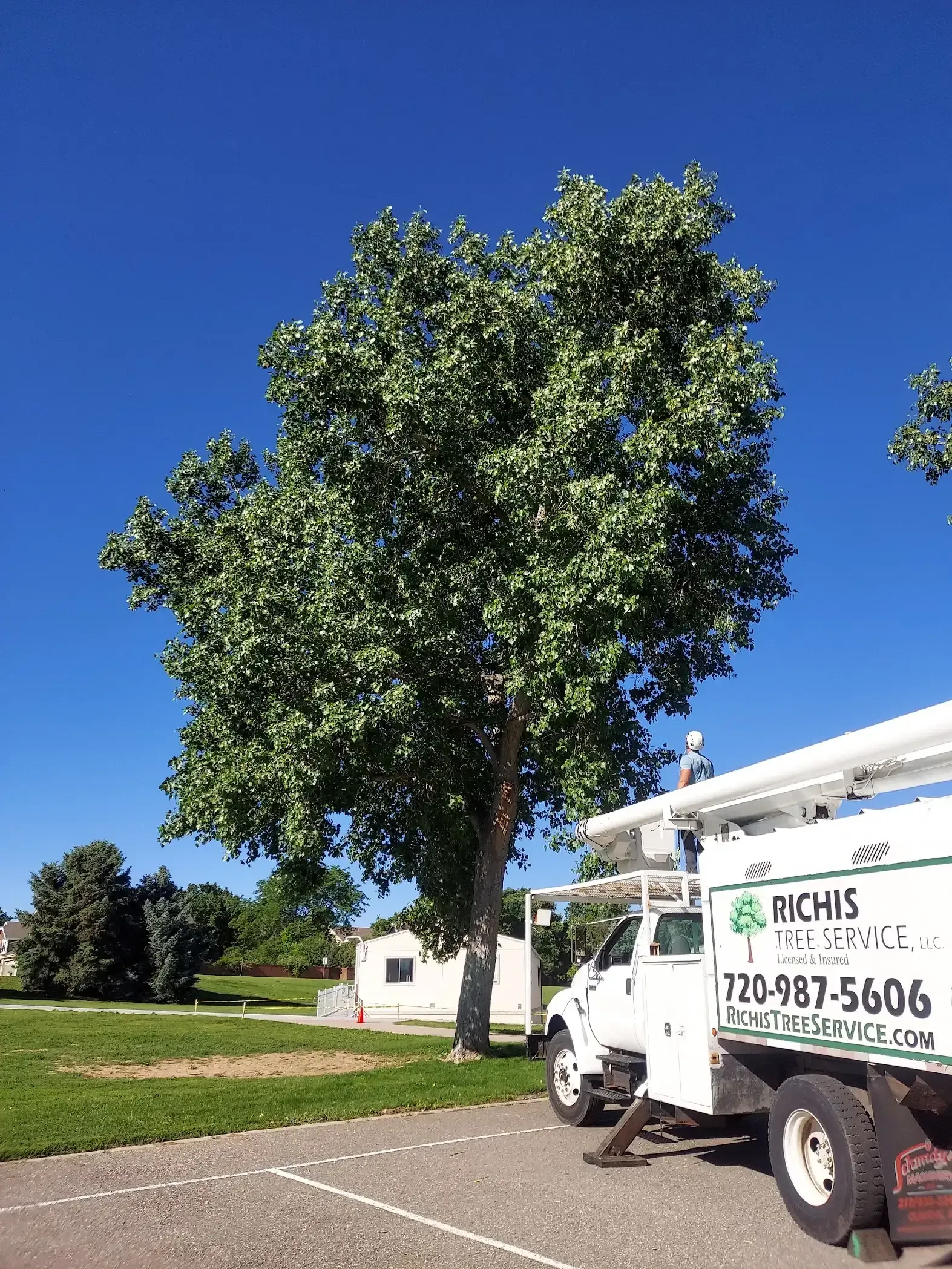
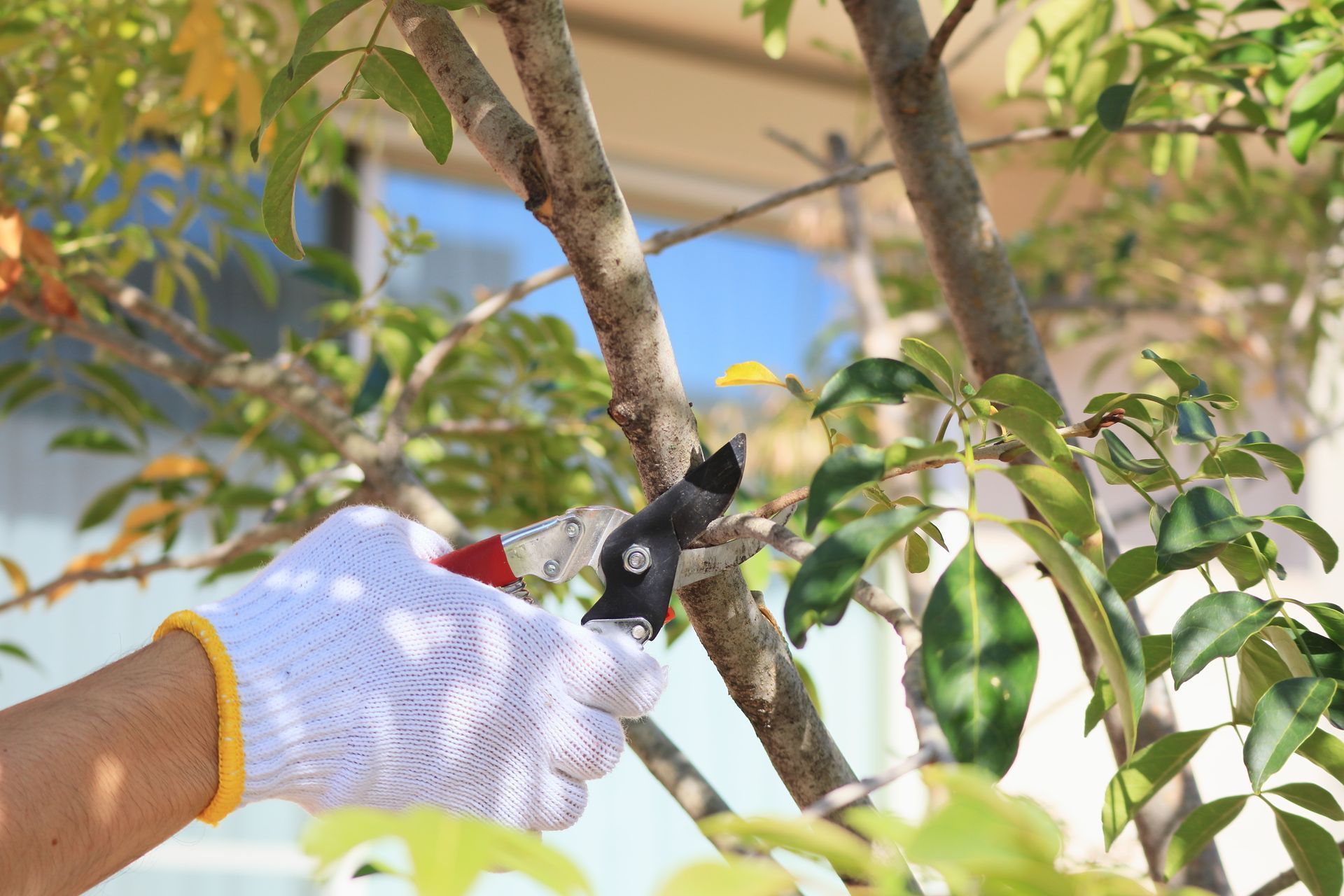
Strategic pruning removes infected branches and improves airflow through the canopy. Better airflow reduces moisture buildup, which discourages fungal growth.
Proper trimming also:
- Enhances structural integrity
- Reduces weight on weakened limbs
- Encourages healthy new growth
Disease Treatment and Soil Care
Depending on the diagnosis, treatments may involve soil amendments, fertilization services, or specialized applications that address fungal or bacterial infections.
Strengthening the tree’s root system is often key. Healthy roots mean stronger overall resistance.
Tree Removal When Necessary
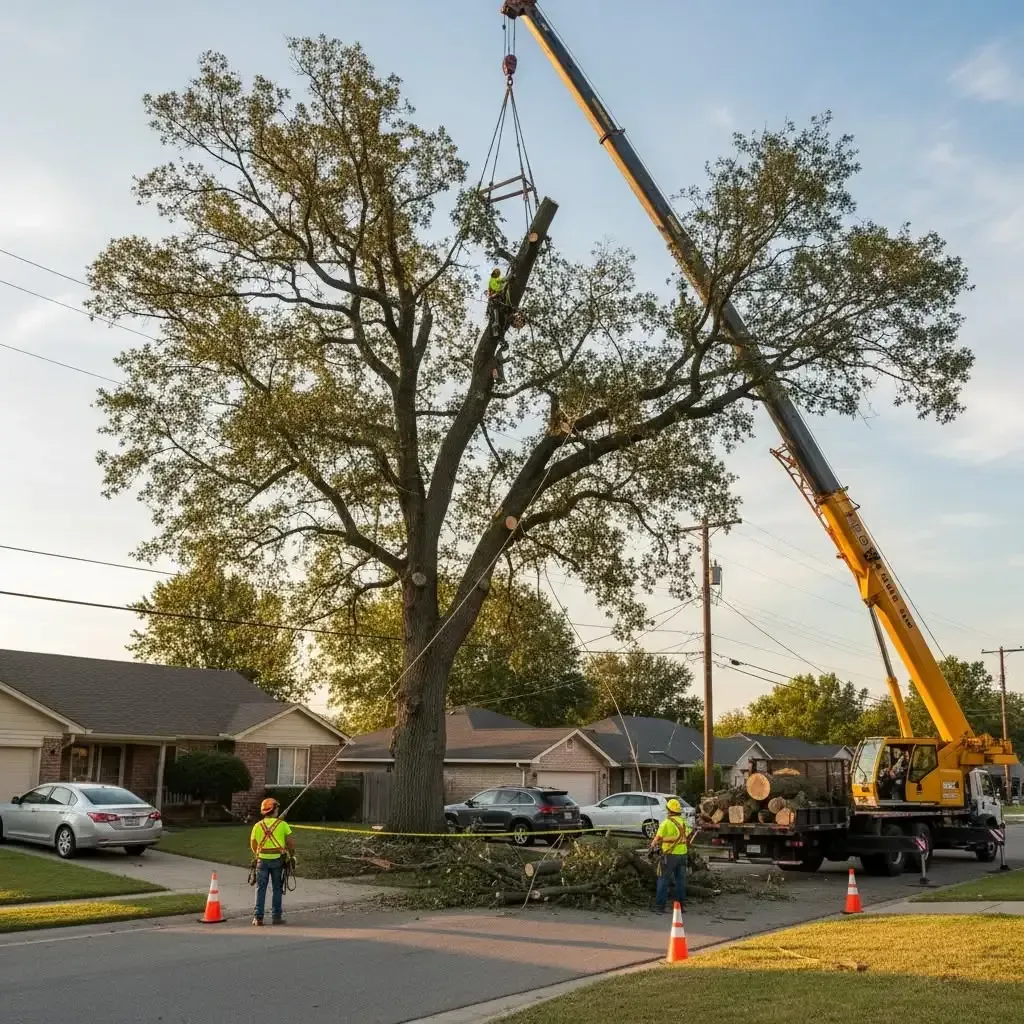
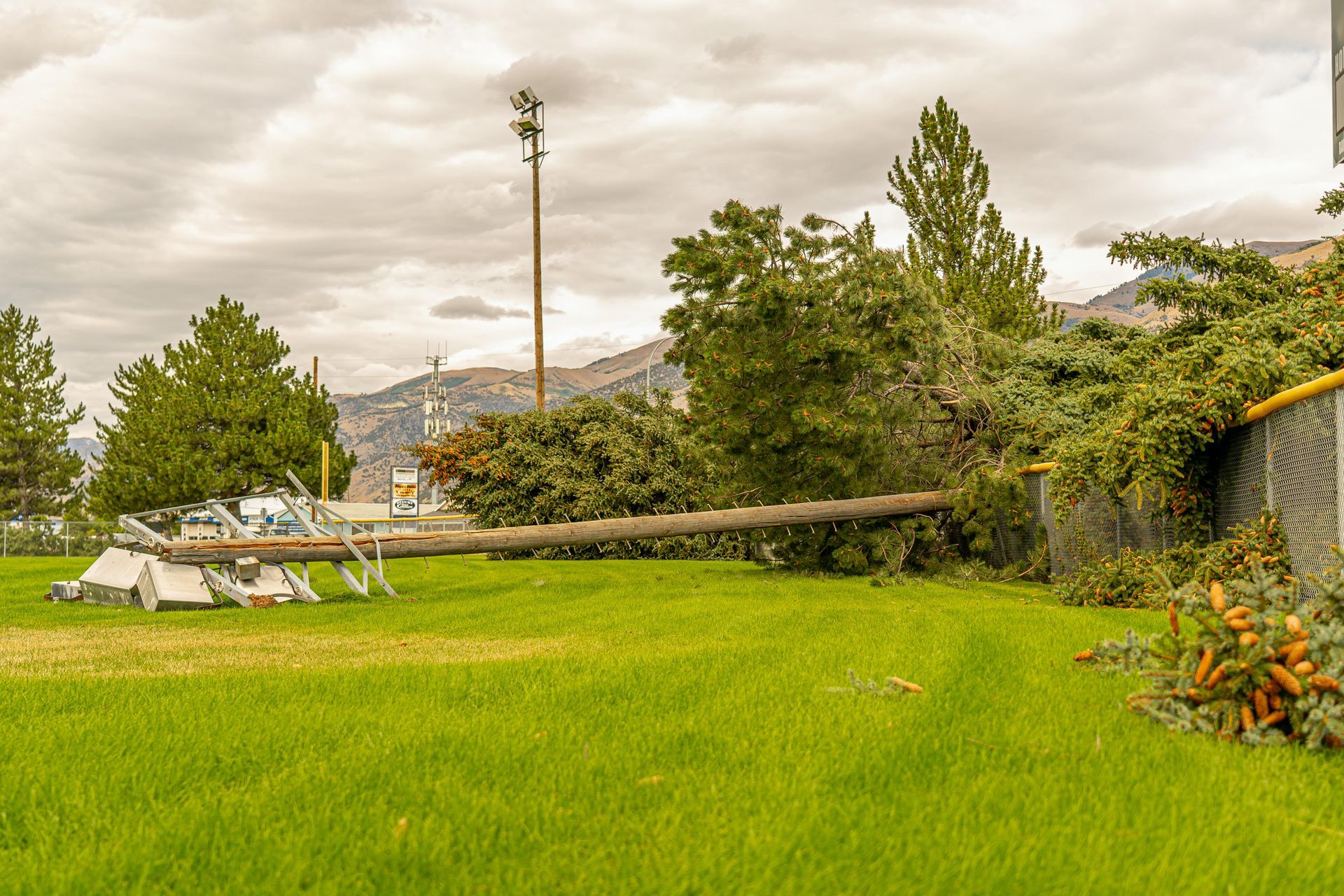
In cases where a tree is beyond recovery, professional removal prevents property damage and eliminates safety hazards. Diseased trees can become unstable, especially during Colorado’s heavy snowfalls or summer storms.
Stump Grinding and Site Cleanup
After removal, stump grinding eliminates tripping hazards and prevents regrowth or pest attraction. It also prepares the area for future landscaping or replanting.
Working with experienced professionals ensures that each step is handled safely and efficiently. Tree work can be dangerous, particularly when dealing with weakened structures. It is not a weekend project best attempted with a ladder and a chainsaw.
Local experts also provide guidance on preventative care moving forward. Routine inspections, proper watering, and seasonal trimming can significantly reduce the likelihood of future disease.
Schedule a Professional Tree Health Inspection in Centennial Today
If you have noticed signs of diseased trees on your property, do not wait for the problem to worsen. The team at Richis Tree Service, LLC provides professional tree health inspection and tree trimming services in Centennial, CO and surrounding areas. Early action can mean the difference between saving a tree and needing full removal.
Call us today at
(720) 987-5606 to schedule your inspection. Whether you need expert tree trimming,
safe tree removal,
stump grinding, or
fertilization services to strengthen your landscape, our experienced team is ready to help protect your property and restore your trees to their healthiest condition.
FAQs
How do I know if my tree is diseased or just stressed?
Stress and disease often look similar at first. Discoloration, early leaf drop, and dead branches can indicate both. A professional tree health inspection can determine the underlying cause.
Can diseased trees be saved?
Many diseased trees can be treated if caught early. Strategic trimming, soil improvement, and targeted treatments often restore health. Severe cases may require removal.
Is tree disease contagious to nearby trees?
Some fungal and bacterial diseases can spread, especially if trees are planted close together. Early detection helps prevent transmission.
How often should I schedule a tree health inspection?
Most properties benefit from an annual inspection. Additional evaluations may be needed after severe storms or noticeable changes in tree appearance.
What happens if I ignore a diseased tree?
Ignoring diseased trees can lead to structural weakness, falling limbs, pest infestations, and potential property damage. Addressing the issue early is safer and more cost effective.
SHARE THIS ARTICLE
Recent Posts